
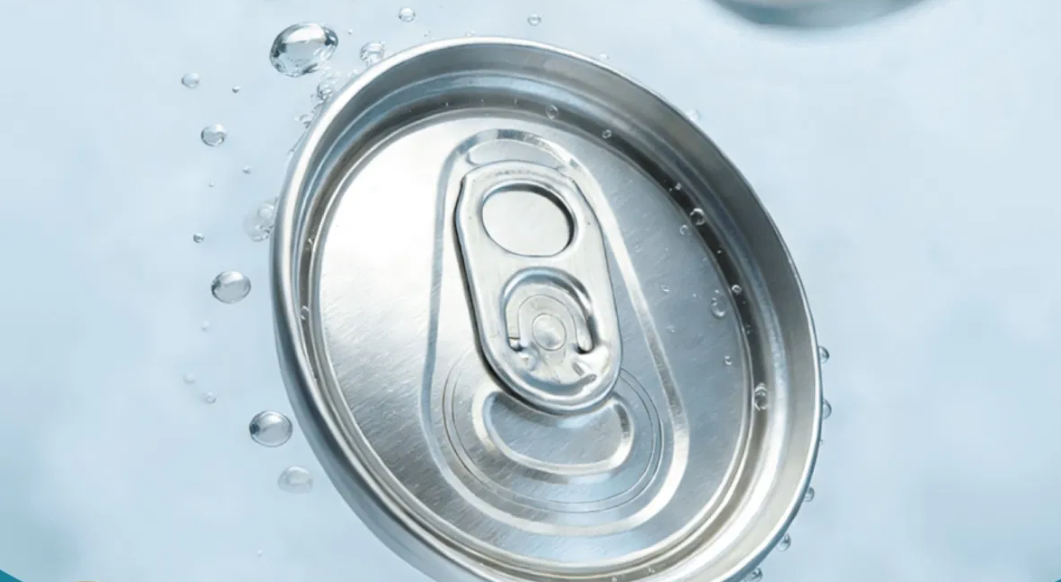
Selecting an easy open end for a beverage can is not simply a matter of choosing a lid based on the can's capacity. Can body diameter,end dimensions, curl profile, seaming specifications, and the existing production setup all need to be considered before an order is confirmed.
For beverage can manufacturers, importers, and packaging buyers,checking these details early can help prevent specification mismatches, unnecessary sampling, and avoidable production delays.
1. Why Can Capacity Does Not Determine End Compatibility
A 250 ml beverage can and a 330 ml beverage can may use different body heights or can formats. However, capacity alone does not establish which easy open end will fit either container.
Beverage cans are produced in several formats, including standard, stubby, sleek, and slim designs. These formats differ in proportions and may use different body diameters and end configurations. Even when two cans have similar capacities, their dimensional requirements should not be assumed to be identical.
Buyers should identify the actual can specification first, then confirm the corresponding end with the can manufacturer and easy open end supplier.
2. Understand the Difference Between Can Body Diameter and End Diameter
One of the most important steps in ordering beverage can ends is distinguishing the diameter of the can body from the nominal size or specified dimensions of the easy open end.
- Can body diameter: The specified diameter of the can body. The measurement reference must be confirmed because body dimensions can be described using different measurement conventions.
- End specification: The end size and dimensional details supplied by the can or end manufacturer. A nominal size should not automatically be treated as a direct measurement of every feature of the finished end.
- Seaming interface: The dimensions and profiles involved in joining the end to the can body. These must be compatible with the intended can design and seaming process.
A matching nominal diameter alone does not prove that two components are interchangeable. Before production, buyers should verify the relevant drawings, dimensional tolerances, and seaming requirements with the component suppliers.
3. Standard, Stubby, Sleek, and Slim Can Formats
Different beverage can formats serve different packaging requirements. When sourcing easy open ends, the can format is useful background information, but it should be accompanied by the actual component specifications.
| Can Format | What Buyers Should Confirm |
|---|---|
| Standard | Body diameter, can height, end specification, and seaming requirements for the selected can design. |
| Stubby | The specified body dimensions and end compatibility for the shorter can format. |
| Sleek | The required body diameter, end dimensions, and compatibility with the intended seaming setup. |
| Slim | The specified narrow-body format and the corresponding end and seaming requirements. |
The same format name can cover more than one capacity or height. Always use the approved dimensional specification rather than relying on the format name alone.
4. Which Dimensions Should Be Confirmed Before Ordering?
To obtain an accurate quotation and evaluate product compatibility, purchasing teams should prepare the following information:
- Can capacity: For example, 250 ml, 330 ml, 355 ml, or 500 ml.
- Can format: Standard, stubby, sleek, slim, or another defined can design.
- Body dimensions: The specified body diameter and can height, including the measurement reference.
- End specification: The nominal end size, relevant dimensions, and technical drawing where available.
- Seaming requirements: The can manufacturer's applicable specifications and the intended seaming equipment.
- Product application: The beverage or food product, filling process, and relevant storage or processing conditions.
- Material and coating requirements: The agreed material, internal coating, and other requirements appropriate to the product and packaging system.
5. Why Seaming Compatibility Matters
An easy open end is part of a complete packaging system. Its performance depends not only on the end itself but also on the can body, compound and coating requirements where applicable, and the seaming process.
If component dimensions or seaming settings are not compatible, the resulting seam may fail to meet the can manufacturer's requirements. Potential problems can include leakage, defective seams, or inconsistent production results.
For this reason, selecting an end based only on a product photo, nominal diameter, or capacity is not a substitute for technical verification. The end supplier and can manufacturer should confirm the relevant specifications before mass production.
6. A Practical Checklist for EOE Buyers
Before sending a purchase inquiry, use this checklist to help your supplier identify the correct product:
- Can format and nominal capacity confirmed.
- Can body diameter and measurement reference provided.
- Required end size and dimensional drawing available.
- Seaming specifications confirmed with the can manufacturer.
- Material and coating requirements identified.
- Product application and processing conditions described.
- Sample evaluation and approval requirements agreed.
- Order quantity, delivery schedule, and packaging requirements stated.
Providing this information at the quotation stage helps reduce uncertainty and gives both parties a clearer basis for technical review.
7. Easy Open End Solutions from Hongfeng Metal
Hongfeng Metal is a China-based manufacturer of tinplate easy open ends for canned food packaging. With more than 20 years of manufacturing experience, 12 production lines, and a stated annual production capacity of 2 billion pieces, the company serves buyers seeking a long-term EOE manufacturing partner.
When discussing a new project, buyers can provide their can format, end dimensions, application, and order requirements for a more focused specification review.
Product compatibility should be confirmed against the actual can design and approved technical requirements. Final specifications should be agreed upon before mass production.
Learn more about our company and product range: Hongfeng Metal — Easy Open End Manufacturer .
Frequently Asked Questions
Can I choose an easy open end based only on can capacity?
No. Capacity is useful for identifying the can, but buyers should also confirm body dimensions, end specifications, and seaming compatibility.
Do standard, stubby, sleek, and slim cans use the same end?
Not necessarily. Compatibility depends on the actual can design and component specifications. Confirm the required end with the can manufacturer and supplier.
What information should I send when requesting an EOE quotation?
Provide the can format, capacity, body diameter, required end specification, application, material and coating requirements, order quantity, and any available technical drawings.
Should samples be approved before mass production?
Sample evaluation and approval should follow the agreed quality and validation process. Confirm the requirements with your can manufacturer and EOE supplier before production.

